BOWTEE WELLNESS JOURNAL | STRAIN SCIENCE
What Is Lactobacillus crispatus?
Exploring the biology, microbiome research, and clinical evidence surrounding this bacterial species.
When people hear about probiotics, they often think about digestion and gut health. However, microorganisms also form important communities in other parts of the human body.
One species receiving considerable attention in microbiome research is Lactobacillus crispatus.
Scientists have investigated this bacterium in relation to the vaginal microbiome, microbial interactions, and emerging live biotherapeutic approaches.
But what exactly is L. crispatus, and what can the existing evidence tell us?
1. What Is Lactobacillus crispatus?
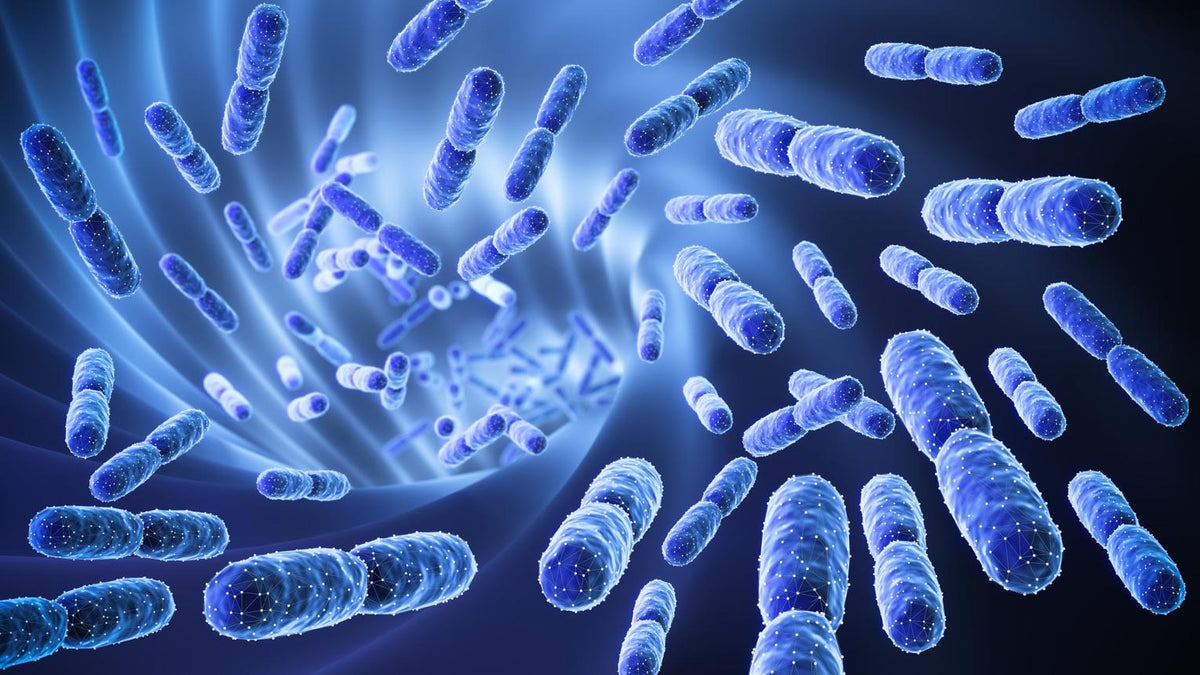
Lactobacillus crispatus is a species of lactic acid-producing bacteria belonging to the genus Lactobacillus.
Unlike several other species historically classified under Lactobacillus, its genus name remained unchanged following the major taxonomic revision in 2020.
It is a Gram-positive bacterium that can inhabit human microbial environments, particularly the vaginal tract.
Not every isolate of this species has identical biological properties. Researchers therefore distinguish individual strains when investigating possible applications.
2. Where Is Lactobacillus crispatus Found?
This species is commonly studied as a member of the vaginal microbiome.
In many reproductive-age women, a vaginal microbial community dominated by certain Lactobacillus species is associated with a relatively low-pH environment.
L. crispatus is one of the species frequently found in such communities.
However, microbial communities vary between individuals and over time. One test result does not necessarily define a person's overall health.
3. Why Do Researchers Study This Species?
Researchers investigate L. crispatus because it is frequently associated with particular vaginal microbial community patterns.
Studies have examined lactic acid production, interactions with other microorganisms, surface properties, and strain-level genetic variation.
Some laboratory findings suggest that selected strains can interact with organisms associated with vaginal dysbiosis.
These biological findings are scientifically important but do not automatically demonstrate a treatment effect from an untested supplement.
4. What Does Lactic Acid Have to Do With the Microbiome?
Several Lactobacillus species produce lactic acid through carbohydrate metabolism.
In the vaginal environment, lactic acid is one of the factors associated with a lower pH.
Researchers study how pH, microbial metabolites, and interactions among bacterial species influence the local ecosystem.
However, the presence of lactic acid-producing bacteria alone does not establish protection against every infection or gynecological condition.
5. Are All Lactobacillus crispatus Strains the Same?
No. Different strains can have important genetic and functional differences.
Comparative genomic studies have identified variation in genes associated with microbial metabolism, cell-surface structures, and interactions with the surrounding environment.
These differences help explain why researchers identify strains precisely rather than relying only on the species name.
Evidence from a specific strain, such as CTV-05, cannot automatically be applied to every strain of L. crispatus.
6. What Have Human Studies Investigated?
Some human clinical studies have investigated vaginally administered live biotherapeutic products containing identified L. crispatus strains.
For example, researchers have examined microbial colonization, microbiome composition, and recurrence-related outcomes in carefully defined patient populations.
A 2026 randomized study explored how the CTV-05 strain influenced the vaginal microbial environment following standard treatment for bacterial vaginosis.
Other research has investigated combinations of multiple strains delivered vaginally.
These interventions are not equivalent to general oral probiotic supplements. The route of administration, product formulation, population, and outcomes are different.
Important distinction: Results from a specific vaginal live biotherapeutic product do not prove that an ordinary oral supplement containing the same bacterial species provides the same benefits.
7. Is Lactobacillus crispatus a Probiotic?
The scientific definition of a probiotic requires a live microorganism to provide a demonstrated health benefit when administered in an adequate amount.
A species name by itself does not establish that every strain or product meets this requirement.
Certain L. crispatus strains are being studied in specific therapeutic contexts, but consumers should not generalize that evidence to all products using the species name.
8. Can You Take It for Digestive Health?
The best-known research on L. crispatus has focused largely on the vaginal microbiome rather than routine digestive supplementation.
Research involving other Lactobacillus species cannot be used as proof that L. crispatus provides identical digestive benefits.
Consumers should examine evidence for the exact strain and formulation before interpreting a product claim.
9. What Should Consumers Check?
✓ The full species and strain identification
✓ Whether the product is intended for oral or another route of use
✓ The scientific evidence for that specific formulation
✓ Storage and dosage instructions
✓ Safety information and relevant clinical guidance
✓ Whether marketing claims match demonstrated outcomes
Individuals experiencing vaginal symptoms should seek appropriate medical evaluation rather than self-treating based solely on microbiome research.
BOWTEE SCIENCE JOURNAL
Understanding Microorganisms Beyond Marketing
The BOWTEE Wellness Journal explores the differences between microbial species, individual strains, and product-specific scientific evidence.
Read actual product labels and directions carefully. Research on L. crispatus does not establish benefits for unrelated BOWTEE formulations.
Explore BOWTEE Products →Frequently Asked Questions
Where is Lactobacillus crispatus commonly found?
It is frequently studied in vaginal microbial communities and may occur in other microbial environments.
Do all Lactobacillus crispatus strains work the same way?
No. Genetic, metabolic, and functional properties can vary between strains.
Does research prove that oral supplements treat vaginal infections?
No. Evidence from vaginal live biotherapeutic trials cannot automatically be transferred to oral supplement products.
Is a vaginal microbiome test enough to diagnose a condition?
No. Appropriate diagnosis depends on symptoms, medical history, and clinically validated evaluation.
Final Thoughts
Lactobacillus crispatus is an important subject in research on microbial ecology and women's microbiome health.
Its properties and possible clinical applications should be understood at the strain and formulation level.
Recognizing the distinction between microbial research and a proven commercial product benefit is essential for informed health decisions.
Scientific References
- Vaginal Microbiota Impacts of a Lactobacillus crispatus Live Biotherapeutic (2026)
- VIBRANT: Multi-Strain Lactobacillus crispatus Live Biotherapeutics (2026)
- Strain-Level Variation Among Vaginal Lactobacilli
- ISAPP: Updated Lactobacillus Taxonomy
Laboratory photo: Unsplash. License.
Medical Disclaimer: Educational information only. This article does not diagnose or recommend any product to treat vaginal or other medical conditions.