BOWTEE WELLNESS JOURNAL | MICROBIOME SCIENCE
Gut Microbiome After Antibiotics: What Recovery Really Means
Understanding microbial changes, recovery, nutrition, and the limitations of probiotic research.
Antibiotics are important medicines for treating bacterial infections. But because they act against susceptible bacteria, they can also affect microorganisms living in the digestive tract.
This raises a common question: How long does it take for the gut microbiome to recover after antibiotics?
There is no single recovery timeline for everyone. The answer depends on the medication, treatment duration, individual characteristics, and the measurements researchers use to define recovery.
This guide explains what scientists know, what remains uncertain, and which everyday practices are worth considering.
1. How Antibiotics Can Change the Gut Microbiome
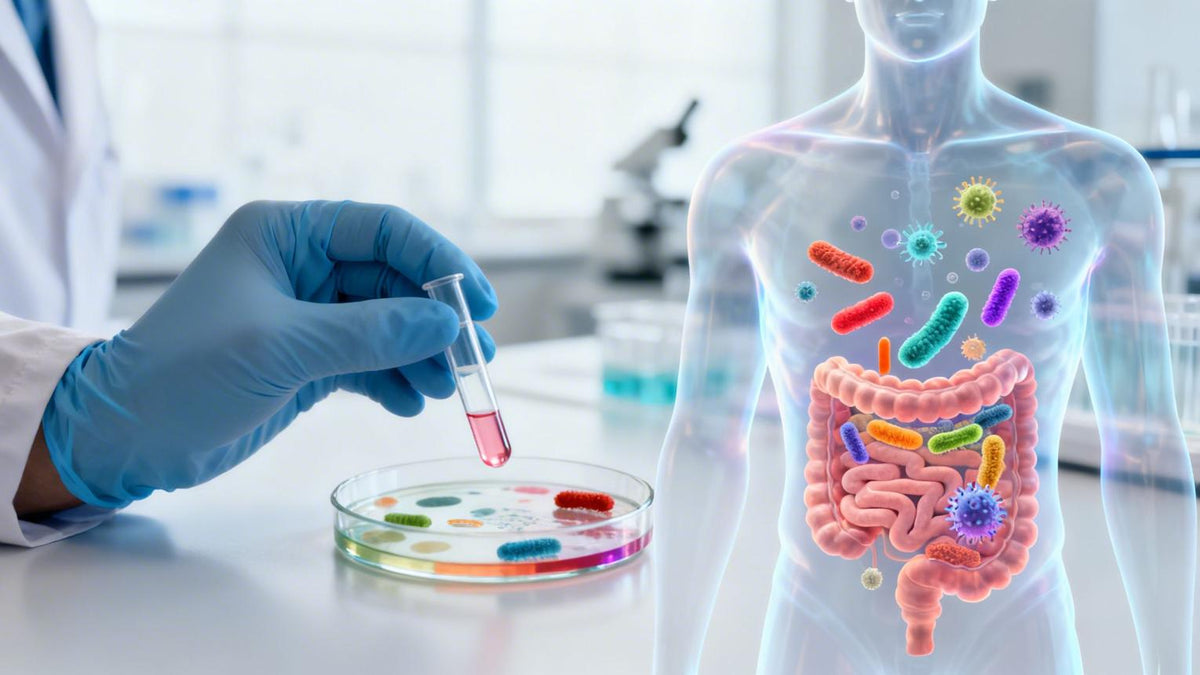
The gut microbiome is a complex community of bacteria, viruses, fungi, archaea, and other microorganisms.
Antibiotics treat susceptible bacteria, but some medicines can affect a broad range of bacterial species, including organisms naturally found in the intestine.
During treatment, researchers may observe changes in microbial abundance, diversity, or metabolic activity.
The extent of these changes varies according to the antibiotic and the person receiving it.
These effects do not mean antibiotics should be avoided when medically necessary. Appropriate antibiotic treatment can be essential and lifesaving.

2. What Does Microbiome Recovery Mean?
Recovery is more complicated than restoring a single bacterial count.
Researchers may assess recovery by examining the number of microorganisms, microbial diversity, specific species, gene profiles, or overall functional activity.
Some measurements may return closer to their previous values while other characteristics remain changed.
A microbiome that differs from its earlier composition is not necessarily unhealthy, and a return to an earlier profile does not automatically establish improved clinical health.
3. How Long Does Recovery Take?
Studies have observed microbiome changes during antibiotic treatment and over subsequent weeks or months.
Some microbial characteristics may begin recovering relatively soon, while others can remain altered for longer periods.
The time course varies between people and antibiotic regimens.
It would therefore be misleading to promise that the microbiome completely returns to normal within seven, fourteen, or thirty days.
Individual factors such as previous antibiotic exposure, diet, age, and overall health may influence findings.
4. Why Symptoms and Microbiome Changes Are Not the Same
Some people experience loose stools, abdominal discomfort, or other gastrointestinal symptoms while taking antibiotics.
Others experience no noticeable digestive changes.
Even when a person feels normal, microbiome measurements may have changed. Conversely, digestive symptoms are not proof of a particular bacterial imbalance.
Persistent symptoms require appropriate evaluation rather than conclusions based solely on microbiome concepts.
5. Does Diet Matter After Antibiotics?
Balanced nutrition remains important during and after medical treatment.
Foods containing dietary fiber, such as fruits, vegetables, whole grains, and legumes, provide nutrients and substrates that certain intestinal microorganisms can utilize.
However, there is no scientifically established universal diet that guarantees the rapid restoration of every person's previous microbiome.
Choose foods that meet your needs and are comfortable to eat, especially if you have temporary gastrointestinal symptoms.

6. Can Probiotics Help After Antibiotics?
Some selected probiotic strains have been investigated for reducing the incidence of antibiotic-associated diarrhea in particular populations.
However, preventing a specific complication and restoring a person's original microbiome are different outcomes.
Studies have not established that routine probiotic supplementation reliably returns every individual's microbiome to its previous composition.
Some research even suggests that particular probiotic interventions may affect the natural recovery process differently between individuals.
For these reasons, routine probiotic use after every antibiotic course is not a universal evidence-based requirement.
7. Should You Take a Probiotic Immediately?
There is no universal answer.
Whether a probiotic is appropriate depends on the intended use, the exact strain or formulation, the antibiotic, and the person's health circumstances.
Some people have medical conditions that increase the risks of live microbial supplementation.
Ask a pharmacist or healthcare professional before adding probiotics to your treatment plan.
8. Why Commercial Microbiome Tests Have Limits
Some consumer tests promise to tell you whether your gut microbiome has recovered.
However, science has not established a single universally healthy microbial profile against which every person can be compared.
Many commercial tests cannot reliably diagnose the cause of gastrointestinal symptoms or prescribe a specific probiotic.
Results should therefore be interpreted cautiously.
9. When to Seek Medical Care
Persistent or severe diarrhea following antibiotic treatment may require assessment for causes such as Clostridioides difficile infection.
Seek timely medical attention for blood in the stool, significant fever, severe abdominal pain, ongoing vomiting, or signs of dehydration.
Do not use a supplement to delay medical care or stop prescribed antibiotics without professional guidance.
10. Practical Recovery Checklist
✓ Take prescribed antibiotics as directed.
✓ Maintain adequate nutrition and appropriate hydration.
✓ Include fiber-containing foods as tolerated.
✓ Do not assume all probiotics restore the microbiome.
✓ Ask about interactions before taking supplements.
✓ Be cautious with commercial microbiome testing claims.
✓ Seek medical care for persistent or severe symptoms.
EXPLORE BOWTEE
Explore Evidence-Informed Probiotic Education
BOWTEE shares educational information about microorganisms, nutritional ingredients, and probiotic research.
When comparing products, review strain-specific evidence and individual safety considerations. No BOWTEE product should be assumed to restore the microbiome following antibiotic treatment without appropriate supporting data.
Explore BOWTEE Products →Frequently Asked Questions
How long does the gut microbiome take to recover after antibiotics?
Recovery varies. Different microbial characteristics may change over weeks or months, and no single timeline applies to everyone.
Should everyone take probiotics after antibiotics?
No. The decision depends on individual needs, risk factors, and the evidence for specific formulations.
Can food restore gut bacteria?
A balanced diet supports nutrition and microbial activity, but no specific food guarantees restoration of a previous microbiome.
Does feeling normal mean my microbiome has recovered?
Not necessarily. Symptoms and microbial measurements are different outcomes.
Is diarrhea after antibiotics always harmless?
No. Severe or persistent diarrhea requires evaluation because some causes can be serious.
Final Thoughts
The gut microbiome is dynamic, and antibiotic-related changes do not follow one universal timeline.
Balanced nutrition and appropriate medical care are sensible priorities, while probiotic use should be based on evidence for the specific product and individual circumstances.
Microbiome recovery is a biological process, not a guaranteed seven-day supplement reset.
Scientific References
- NIH ODS: Probiotics - Health Professional Fact Sheet
- NCCIH: Probiotics - Usefulness and Safety
- CDC: About C. diff
Illustrative photographs: Unsplash contributors. Image licensing information.
Medical Disclaimer: This article is educational only and is not a substitute for professional medical diagnosis or treatment.