BOWTEE WELLNESS JOURNAL | IMMUNE SCIENCE
The Gut-Immune Connection: What You Should Know
Exploring the relationship between your digestive system, gut microbes, and immune responses.
Your digestive system does much more than process the food you eat.
It also forms an important interface between the outside environment and the internal tissues of your body.
Every day, the gastrointestinal tract encounters food components, microorganisms, and a wide variety of other substances.
Your immune system helps regulate these interactions.
Researchers are increasingly interested in the relationship among gut microorganisms, intestinal tissues, and immune function.
But what exactly is the gut-immune connection, and what does science tell us about it?
1. What Is the Gut-Immune Connection?
The gut-immune connection refers to the interactions between the gastrointestinal environment and the immune system.
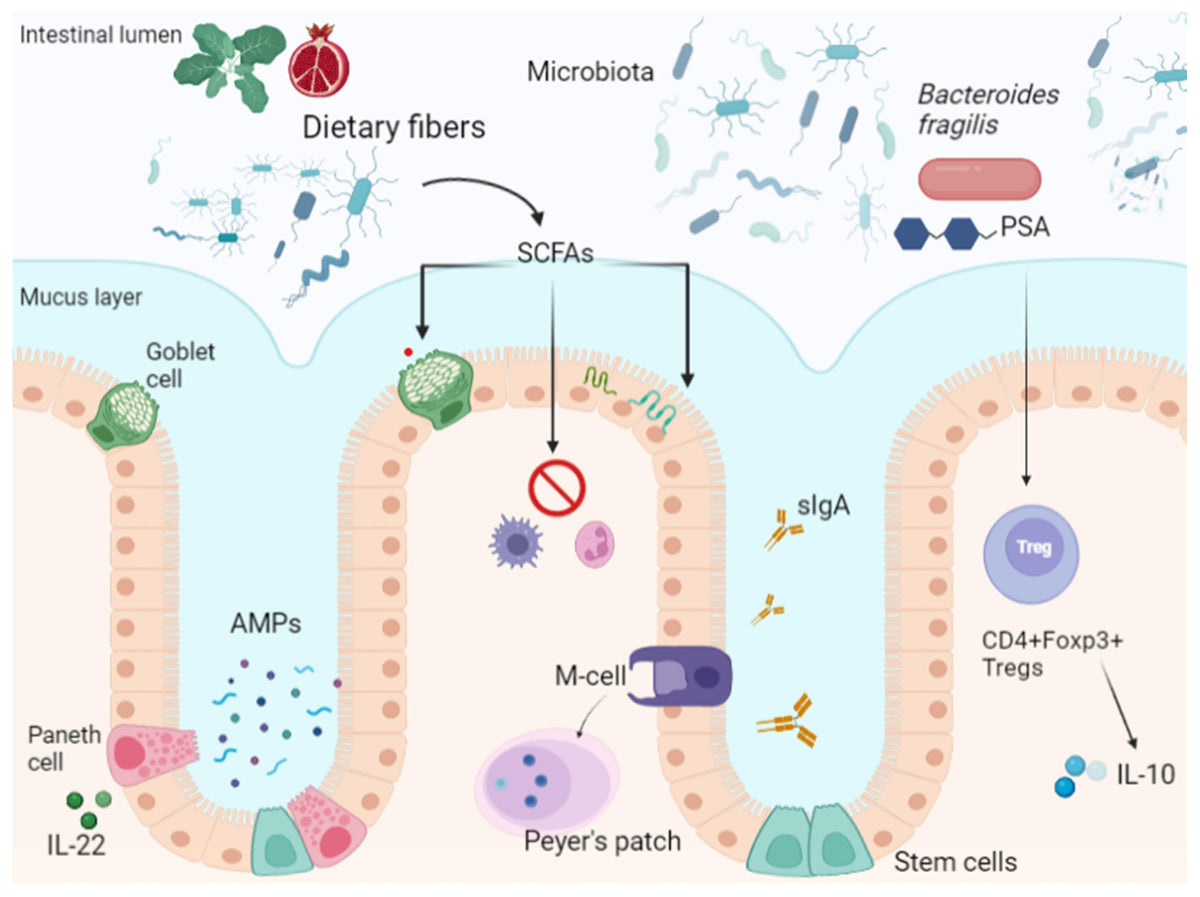
The digestive tract contains specialized immune cells, protective tissues, mucus, and other structures involved in maintaining intestinal function.
These systems help the body respond to potential threats while also tolerating harmless food components and microorganisms.
A healthy immune response involves appropriate regulation, not simply maximum activity.
2. The Intestinal Barrier and Its Protective Role
The intestinal barrier is made up of several components, including epithelial cells, mucus, and associated immune structures.
It helps regulate interactions between materials inside the intestine and the rest of the body.
At the same time, the intestine must allow nutrients to be absorbed efficiently.
These functions require a complex and carefully regulated biological system.
Researchers investigate how diet, microorganisms, inflammation, and health conditions can influence intestinal barrier mechanisms.

3. How the Gut Microbiome Interacts With Immune Cells
The gut microbiome includes microorganisms that live in the gastrointestinal environment.
Some microbial substances and metabolic products can interact with intestinal cells and immune signaling pathways.
Scientists are studying how these interactions contribute to immune development, regulation, and normal physiological responses.
However, the microbiome is highly complex, and different microorganisms can have different biological effects.
It is not scientifically accurate to describe all bacteria as either good or bad.
4. Why Immune Balance Matters
The immune system responds to pathogens and other potential threats.
It also needs to avoid unnecessary responses to harmless materials.
Immune regulation involves numerous cells, tissues, and signaling molecules.
For this reason, the phrase "boost your immunity" can oversimplify how immune health works.
Researchers often use the term immune modulation to describe changes in immune activity or signaling.
A change in an immune marker does not automatically demonstrate improved health or protection against disease.
5. Can Gut Microorganisms Influence Inflammation?
Scientific studies have identified interactions between intestinal microorganisms and pathways involved in inflammation.
These interactions may vary depending on the microbial species, surrounding environment, and health status of the individual.
Much of the detailed mechanistic research comes from laboratory or animal studies.
Such findings are valuable, but they should not be treated as proof that a particular supplement prevents or treats an inflammatory disease in humans.
6. Probiotics and Immune Function: What Is Known?
Specific probiotics have been investigated for selected immune-related outcomes.
Researchers have examined interactions with immune cells, microbial signaling, and certain clinical outcomes in defined populations.
However, probiotic strains are not interchangeable.
Evidence for one strain or formulation cannot automatically be applied to every other probiotic product.
Some applications have encouraging findings, while other research remains uncertain or inconsistent.
Probiotic supplements should not be considered substitutes for vaccines, prescribed treatments, or medical care.
7. How Diet Fits Into the Gut-Immune Picture
Balanced nutrition provides the energy and nutrients needed for normal physiological functions, including immune function.
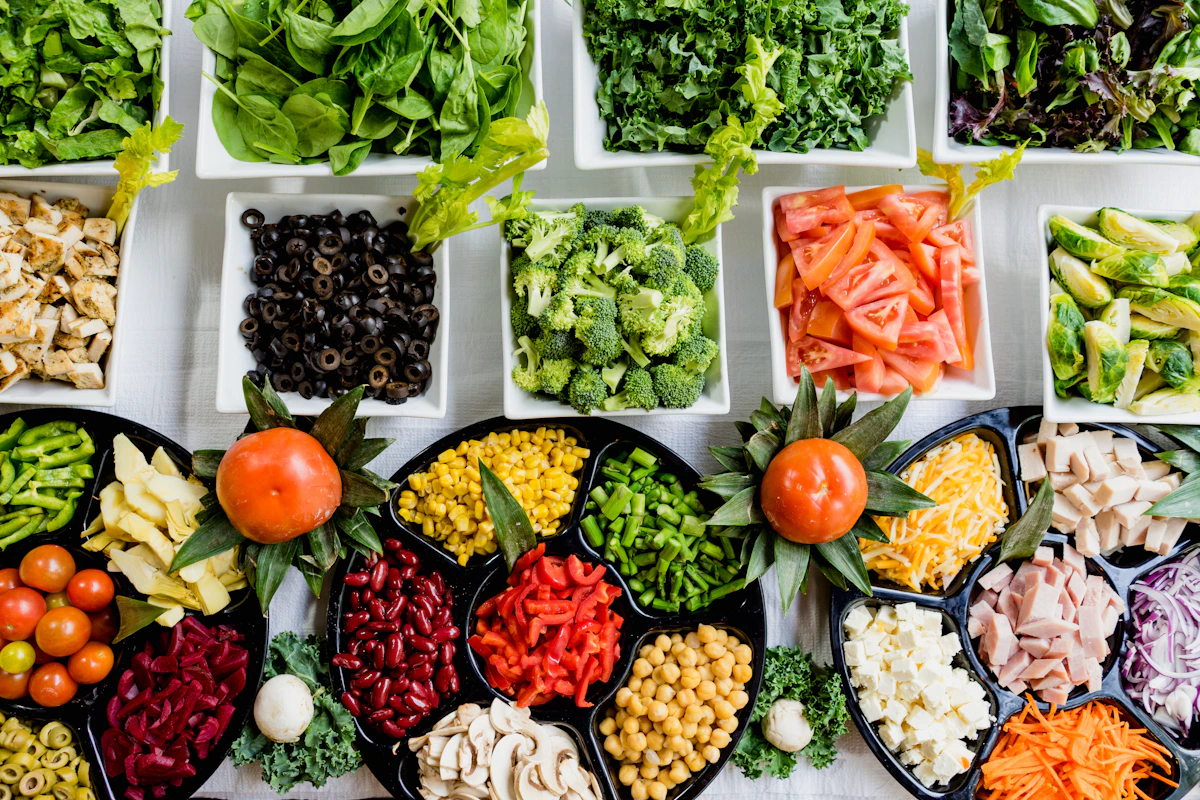
Vegetables, fruits, legumes, whole grains, suitable protein sources, and other nutrient-rich foods can contribute to a healthy dietary pattern.
Dietary fibers can also influence microbial activity in the gastrointestinal tract.
Nevertheless, eating a particular food does not guarantee stronger immunity or prevention of infection.
8. Other Habits That Support Overall Immune Health
Supporting overall wellness involves more than nutrition or supplements.
Useful habits include:
- Maintaining a nutritionally adequate diet
- Getting sufficient sleep
- Participating in appropriate regular physical activity
- Avoiding tobacco exposure
- Following recommended vaccinations and preventive healthcare
- Seeking medical advice for ongoing symptoms or health concerns
These practices support general health without relying on exaggerated supplement claims.
9. How to Evaluate Gut and Immunity Claims
When reviewing health products, consider what the scientific evidence actually demonstrates.
✓ Is the exact ingredient or probiotic strain identified?
✓ Was the research conducted in humans?
✓ What outcome did the study measure?
✓ Was a clinical benefit demonstrated?
✓ Does the study match the actual formulation?
✓ Are the limitations of the research explained?
Statements based on laboratory mechanisms should not be presented as proven benefits for a commercial supplement.
DISCOVER BOWTEE
Explore Probiotic Research With BOWTEE
The relationship between gut microorganisms and immune processes is an active area of scientific investigation.
BOWTEE provides probiotic nutritional products with different ingredient profiles.
Consumers should evaluate each formulation based on its actual ingredients and available evidence rather than assuming that all probiotics improve immune function.
Explore BOWTEE Products →Frequently Asked Questions
Is the gut connected to the immune system?
Yes. Intestinal tissues, immune cells, and microorganisms interact through complex biological pathways.
Does having more gut bacteria mean better immunity?
No. Microbial quantity alone does not establish healthy immune function.
Can probiotics boost the immune system?
That phrase is too broad. Certain strains may influence selected immune responses, but clinical benefits must be demonstrated for specific uses.
Is immune modulation the same as disease prevention?
No. Changes in immune signaling do not automatically mean that an infection or disease will be prevented.
Should everyone take probiotics for immunity?
No. Probiotic supplements are not necessary or appropriate for everyone, and their effects depend on specific products and individual circumstances.
Final Thoughts
The gut and immune system are connected through a complex network of cells, tissues, microorganisms, and molecular signals.
Understanding these interactions can provide useful insight into human biology.
However, research on the gut-immune connection should not be used to justify unsupported product claims.
Choose balanced nutrition, appropriate medical care, and evidence-informed decisions.
Continue learning with the BOWTEE Wellness Journal.
Scientific References
Scientific illustration: Wikimedia Commons, intestinal villus diagram. Editorial food photo: Unsplash.
Medical Disclaimer: This article is educational and is not intended to diagnose, treat, cure, or prevent disease. Consult a qualified healthcare professional about medical conditions or supplements.