BOWTEE WELLNESS JOURNAL | GUT HEALTH & NUTRITION
Foods That Support a Healthy Gut Microbiome
A practical guide to fiber, fermented foods, and everyday nutrition.
What you eat can influence the environment inside your digestive tract.
Your gut is home to a complex collection of microorganisms known as the gut microbiome. These microorganisms participate in the breakdown of certain food components and interact with your digestive system.
While no single food can guarantee a perfectly healthy microbiome, a varied, balanced diet can support normal digestive function and provide nutrients used by gut microorganisms.
Let's explore the food groups worth including in your everyday routine.
1. Why Food Matters for Your Gut Microbiome
The gut microbiome contains bacteria, archaea, fungi, viruses, and other microorganisms.
Many intestinal microorganisms can utilize dietary carbohydrates that are not fully broken down by human digestive enzymes.
During fermentation, some microorganisms produce compounds known as short-chain fatty acids.
These compounds participate in normal intestinal physiology and are being investigated for their broader biological roles.
Different foods provide different substrates for microbial activity, which is why dietary variety can be useful.
2. Whole Grains: Everyday Sources of Dietary Fiber
Whole grains provide fiber and other nutrients that contribute to a balanced diet.
Examples include:
- Oats and oatmeal
- Whole wheat
- Barley
- Brown rice
- Other minimally processed whole grains
Different grains contain different fiber types. Some fibers help support normal bowel function, while others can be fermented by intestinal microorganisms.
Try choosing whole-grain alternatives when they fit your dietary needs and preferences.

3. Legumes: Beans, Lentils, and Chickpeas
Legumes are a valuable source of dietary fiber, plant protein, and other nutrients.
They include lentils, chickpeas, black beans, kidney beans, and many other varieties.
Some of their carbohydrates are fermented by intestinal microorganisms, which can also produce gas.
If you are not accustomed to eating legumes, introduce smaller portions and increase them gradually according to your tolerance.
4. Vegetables: More Variety, More Nutrients
Vegetables provide vitamins, minerals, fiber, and many other dietary components.
Broccoli, carrots, leafy greens, asparagus, and green peas can all contribute to a varied eating pattern.
Some vegetables contain fermentable carbohydrates that may increase gas in sensitive individuals.
This does not mean that these foods are unhealthy. Preparation methods and portion sizes can influence individual tolerance.

5. Fruits: Fiber and Everyday Nutrition
Fruits such as berries, apples, pears, oranges, and bananas contribute different nutrients and fiber types.
Whole fruit generally provides fiber that fruit juice may contain in smaller amounts.
Individual tolerance varies, especially for fruits containing certain fermentable carbohydrates.
Rather than focusing on a single so-called superfood, enjoy a range of fruits that suit your needs.
6. Nuts and Seeds
Nuts and seeds provide combinations of dietary fiber, unsaturated fats, and micronutrients.
Examples include almonds, walnuts, chia seeds, and flaxseeds.
They can be added to oatmeal, yogurt, or other meals in portions appropriate for your dietary needs.
Individuals with food allergies should avoid relevant allergens and follow professional guidance.
7. Fermented Foods: What Makes Them Different?
Fermented foods are produced through the activity of microorganisms during preparation.
Examples include certain yogurts, kefir, kimchi, sauerkraut, and other traditional fermented foods.
Some contain live microorganisms, while others may no longer contain viable cultures after processing.
Importantly, not all fermented foods qualify as probiotic foods.
Under the scientific definition, a probiotic must be a live microorganism that provides a demonstrated health benefit when consumed in an adequate amount.

8. Prebiotic Foods vs. Probiotic Foods
Probiotics and prebiotics are related but different concepts.
Probiotics are specific live microorganisms that provide a demonstrated health benefit.
Prebiotics are substrates selectively utilized by host microorganisms that confer a health benefit.
Inulin and certain oligosaccharides are examples of established prebiotic substances.
Not every dietary fiber is classified as a prebiotic, and not every fermented food is a probiotic.
9. A Simple One-Day Gut-Friendly Meal Example
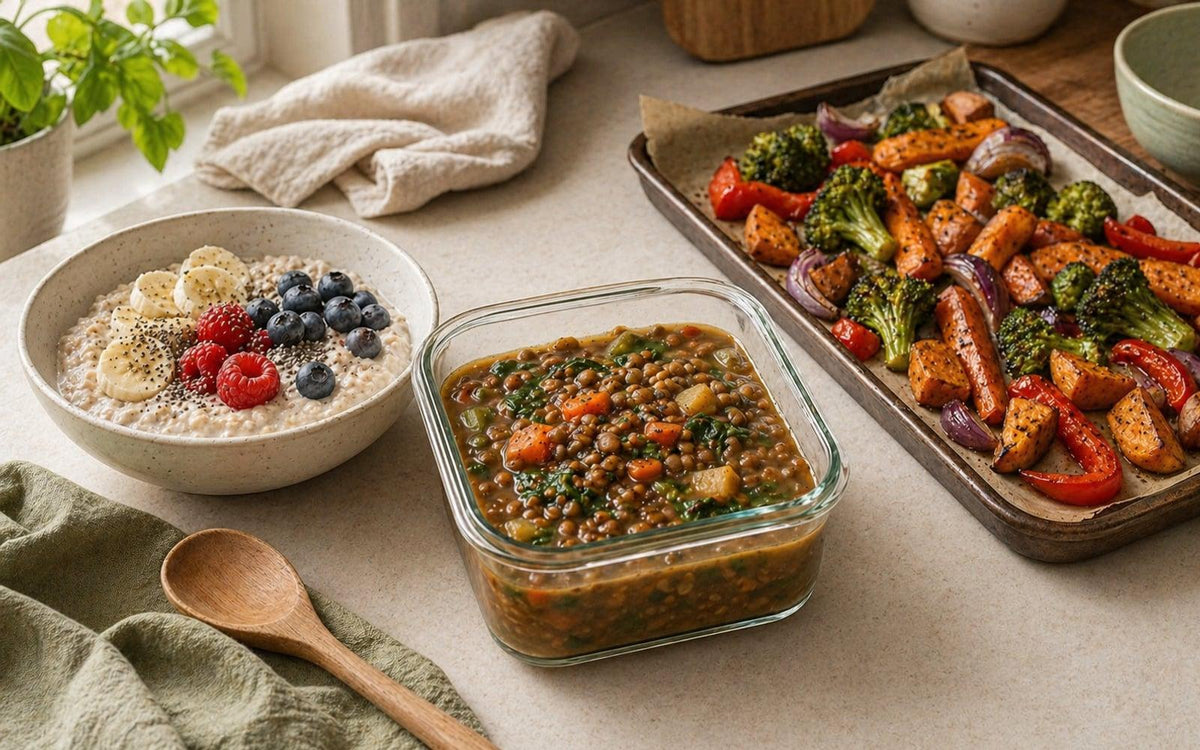
Breakfast: Oatmeal with berries and suitable nuts or seeds.
Lunch: Whole grains with vegetables and a preferred protein source.
Snack: Whole fruit or yogurt, depending on tolerance.
Dinner: Lentils or beans with cooked vegetables and a balanced main dish.
Throughout the day: Drink fluids according to individual needs.
This is an educational example, not an individualized meal prescription.
Adjust foods for allergies, medical conditions, personal preferences, and nutritional requirements.
10. What About Probiotic Supplements?
Some consumers explore supplements in addition to maintaining a balanced diet.
However, probiotics are not universally necessary, and the usefulness of a particular supplement depends on the actual strain, dose, and intended use.
A product containing several strains or a large CFU count is not automatically more effective.
Before choosing a supplement, review its ingredient list, labeled instructions, and supporting scientific evidence.
EXPLORE BOWTEE
Explore BOWTEE Probiotic Nutrition
Understanding food, fiber, and microbiome science can help consumers make informed decisions about nutrition.
BOWTEE offers probiotic formulations as part of its nutritional product range.
Compare product-specific ingredients, directions, and available evidence before selecting a supplement.
Explore BOWTEE Products →Frequently Asked Questions
What foods support a healthy gut?
Foods that contribute to a varied, balanced diet include vegetables, fruits, legumes, whole grains, nuts, seeds, and suitable fermented foods.
Is yogurt always a probiotic food?
No. Some yogurts contain live cultures, but not all meet the scientific definition of probiotics.
Do I need to eat fermented foods every day?
No universal requirement exists. They can be part of a varied diet if appropriate for your circumstances.
Can too much fiber cause bloating?
A sudden large increase may cause gas or bloating. Gradual increases may improve tolerance.
Do I need probiotics to have a healthy microbiome?
No. Probiotic supplements are not required for every healthy person.
Final Thoughts
There is no single food that guarantees an ideal gut microbiome.
Instead, focus on variety, balanced nutrition, appropriate fiber intake, and foods you tolerate well.
Small, sustainable dietary choices can contribute to digestive and overall wellness.
Continue exploring evidence-informed nutrition with the BOWTEE Wellness Journal.
Scientific References
- NIDDK: Eating, Diet, and Nutrition
- NIH: Probiotics Fact Sheet
- ISAPP: Probiotics and Prebiotics Scientific Resources
Images: Unsplash contributors. Unsplash License.
Medical Disclaimer: This article is for educational purposes and does not replace advice from a qualified healthcare professional.