BOWTEE WELLNESS JOURNAL | NASAL WELLNESS
Everyday Ways to Support Nasal Comfort During Allergy Season
Practical, evidence-informed habits for navigating seasonal pollen exposure.
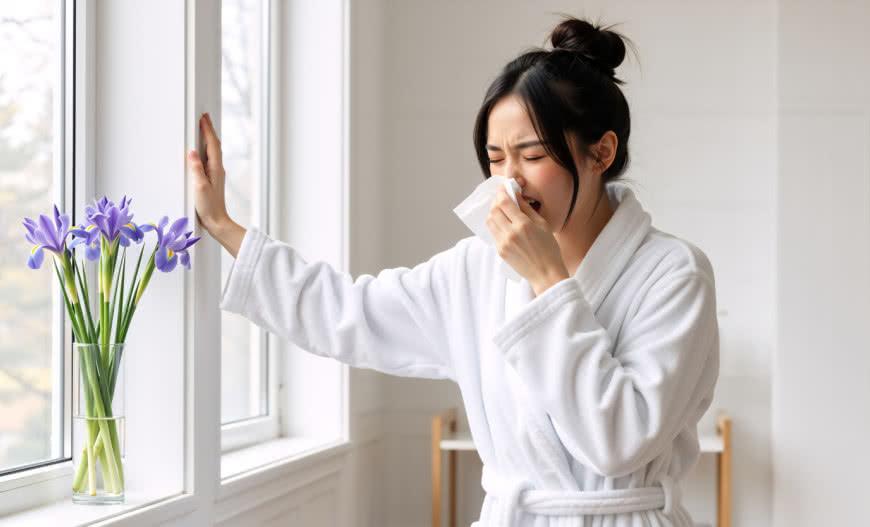
For people with seasonal allergies, certain times of year can bring frequent sneezing, nasal congestion, and itchy or watery eyes.
These symptoms may interfere with sleep, outdoor activities, and everyday comfort.
Although seasonal allergies require appropriate diagnosis and treatment, practical daily habits may help reduce exposure to common triggers.
Here are several strategies to consider when pollen levels rise.
1. Understand Your Seasonal Allergy Triggers
Seasonal allergic rhinitis, commonly known as hay fever, occurs when the immune system reacts to certain environmental allergens.
Pollen from trees, grasses, and weeds is a common seasonal trigger.
Different plants release pollen at different times, and pollen seasons vary by location and climate.
Identifying your triggers can help you make more informed decisions about daily exposure.
A healthcare professional may recommend allergy testing when the diagnosis or trigger is unclear.
2. Check Local Pollen Forecasts
Pollen forecasts can provide helpful information about likely outdoor allergen exposure.
When counts are high for allergens that affect you, consider adjusting outdoor activities where practical.
Forecasts are estimates and cannot predict every individual's symptoms.
Wind, rainfall, local vegetation, and environmental conditions may influence exposure.

3. Reduce Pollen Brought Indoors
Pollen can settle on clothing, hair, and other surfaces during outdoor activities.
After substantial outdoor exposure, changing clothes and washing exposed skin or hair may help reduce the pollen carried indoors.
Keeping indoor surfaces reasonably clean can also be useful.
Choose cleaning practices appropriate for your home and avoid products that irritate your airways.
4. Pay Attention to Indoor Air
Indoor environments may contain both outdoor allergens and indoor irritants.
During high-pollen periods, some people find it helpful to keep windows closed when practical.
Appropriate air filtration and regular maintenance of heating or cooling systems may reduce some airborne particles.
However, no household device guarantees complete allergen removal or replaces medical treatment.
Choose indoor-air strategies based on your living conditions, ventilation needs, and professional recommendations.
5. Understand Nasal Saline Rinsing
Saline nasal irrigation is one complementary approach studied for seasonal allergy symptoms.
Research suggests it may provide symptom relief for some people, although it is not a cure for allergic rhinitis.
Correct technique and water safety are essential.
Use only distilled, sterile, or previously boiled and appropriately cooled water, or water filtered and treated according to applicable safety guidance.
Untreated tap water should not be used directly for nasal irrigation because it can contain microorganisms that are not safe to introduce into the nasal passages.
Follow device cleaning instructions and consult a healthcare professional if you are unsure whether rinsing is appropriate for you.
Nasal rinse safety: Never assume ordinary tap water is safe for nasal irrigation. Use an appropriate water source and maintain the device according to its instructions.
6. Maintain Healthy Sleep Habits
Nasal congestion may make sleep less comfortable during allergy season.
Maintaining a regular sleep routine and keeping your sleeping area clean can contribute to general comfort.
If congestion repeatedly disrupts sleep, discuss symptom management with a healthcare professional.
Good sleep habits can support overall wellness, but they do not replace appropriate treatment for nasal inflammation or allergies.
7. Support Overall Health With Balanced Nutrition
A balanced diet provides nutrients important for normal physiological functions.
Vegetables, fruits, whole grains, suitable protein sources, and other nutrient-dense foods can contribute to nutritional adequacy.
However, no single food has been shown to reliably prevent seasonal pollen allergies.
Honey, herbal products, and dietary supplements should not be assumed to provide allergy relief merely because they are described as natural.

8. What About Probiotics During Allergy Season?
Some clinical studies have investigated particular probiotic formulations in people with allergic rhinitis.
Selected trials have reported improvements in certain outcomes, but the overall findings remain inconsistent.
Studies differ in their strains, doses, participants, and clinical measurements.
Current evidence does not support routinely recommending probiotics to prevent or treat allergic rhinitis.
Probiotics should not replace prescribed allergy medicines or other established treatments.
9. Know When to Seek Professional Treatment
Some individuals experience only mild seasonal symptoms, while others have persistent or more disruptive allergic rhinitis.
Healthcare professionals may recommend appropriate antihistamines, nasal corticosteroid sprays, or other treatments depending on the situation.
Allergen immunotherapy may be considered for selected patients.
Seek medical assessment when symptoms are persistent, difficult to control, or affecting daily life.
Difficulty breathing, severe respiratory symptoms, or signs of a serious allergic reaction require urgent medical attention.
10. Your Daily Allergy-Season Checklist
✓ Check local pollen conditions.
✓ Reduce exposure to known triggers when practical.
✓ Change clothing after significant outdoor exposure.
✓ Maintain a clean and comfortable indoor environment.
✓ Follow safe nasal irrigation practices if appropriate.
✓ Maintain healthy sleep and nutrition habits.
✓ Follow professional allergy treatment advice.
These steps are intended to complement, not replace, individualized medical care.
DISCOVER BOWTEE
Explore the BOWTEE Wellness Journal
BOWTEE publishes educational content on probiotic science, the gut microbiome, and everyday wellness.
Consumers interested in probiotic nutritional products should evaluate individual ingredients, labeled instructions, and strain-specific evidence.
Probiotic supplements should not be considered established treatments for seasonal allergies.
Explore BOWTEE Products →Frequently Asked Questions
What causes seasonal nasal allergies?
Seasonal allergic rhinitis commonly involves immune responses to allergens such as pollen.
Can checking pollen forecasts help?
Forecasts may help some individuals plan activities around periods of higher pollen exposure.
Is saline nasal irrigation safe?
It can be appropriate for some people when performed correctly. Safe water and proper device hygiene are essential.
Can probiotics cure seasonal allergies?
No. Current evidence does not establish probiotics as a cure or routine treatment for allergic rhinitis.
When should I see an allergy specialist?
Seek professional care when symptoms persist, interfere with daily life, or remain difficult to manage.
Final Thoughts
Seasonal allergy management can involve practical exposure-reduction measures, healthy routines, and appropriate medical treatment.
No single food, supplement, or household strategy can guarantee relief for everyone.
Use evidence-informed habits and professional guidance to make allergy season more manageable.
Continue learning with the BOWTEE Wellness Journal.
Scientific References
- NCCIH: Seasonal Allergies at a Glance
- NCCIH: Complementary Approaches for Seasonal Allergy Relief
- NCCIH: Seasonal Allergies and Complementary Health Approaches
Editorial photographs: Unsplash contributors. Unsplash License.
Medical Disclaimer: This content is for education only and is not a substitute for medical advice, diagnosis, or treatment. Seek professional guidance for allergy symptoms and supplement use.